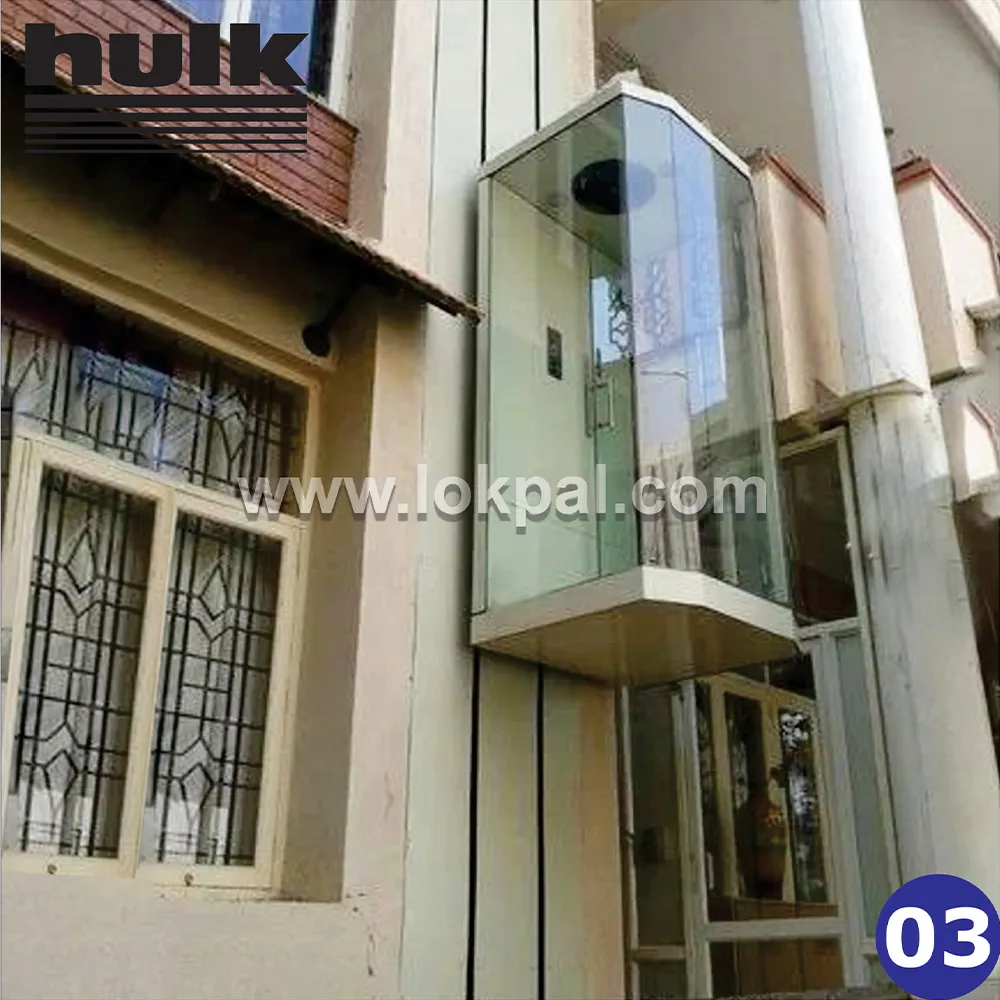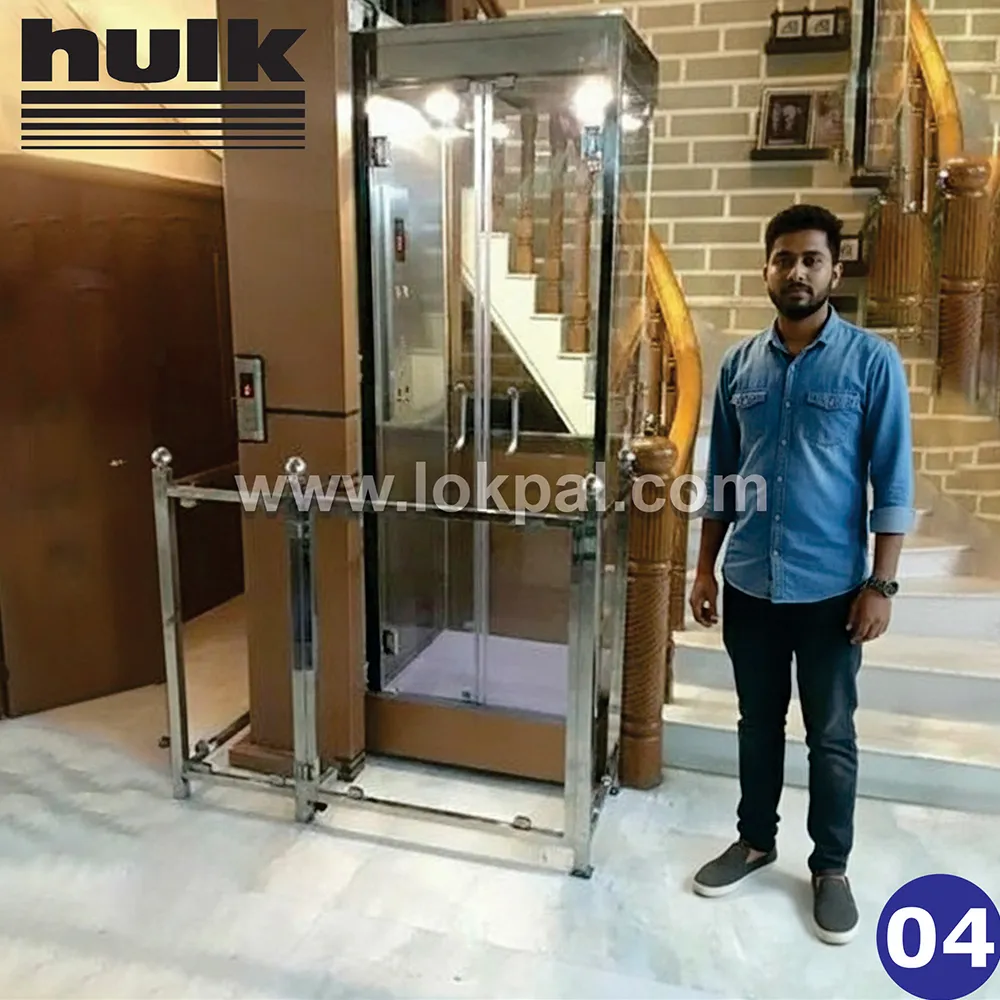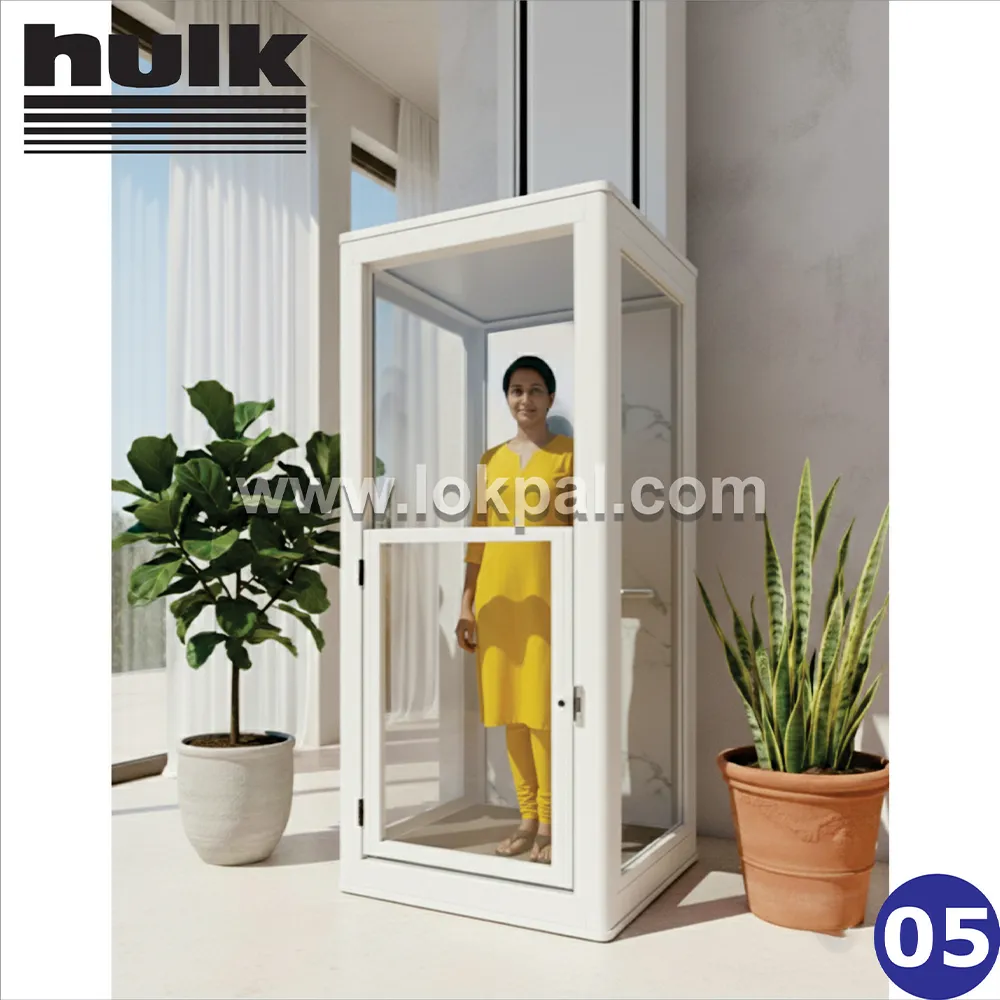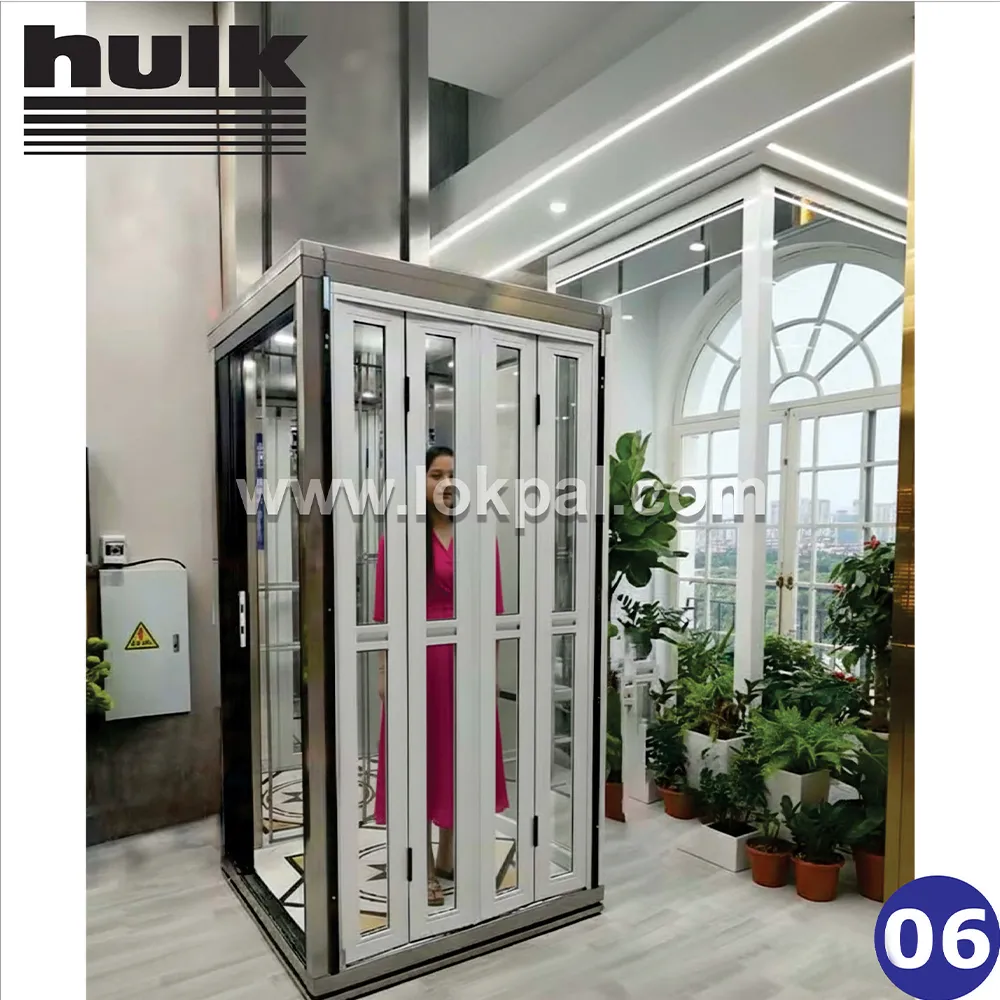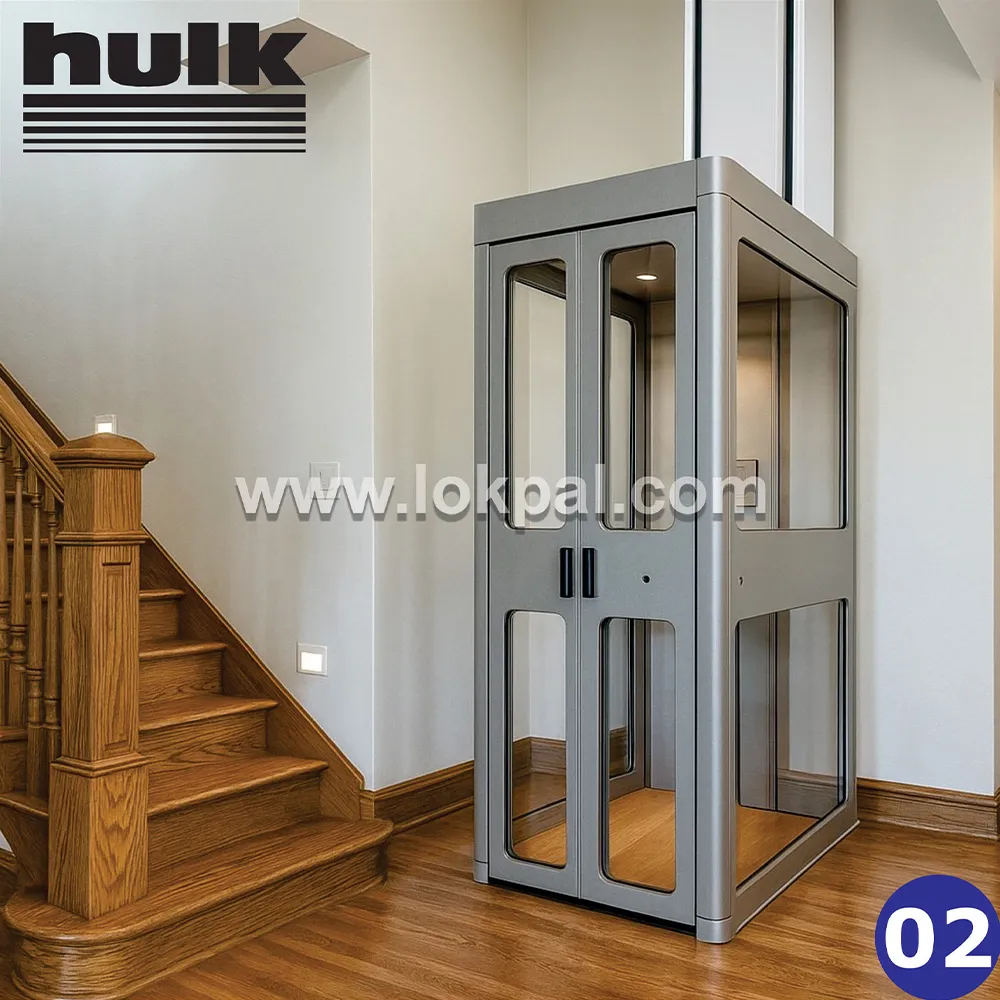
The provided a series of innovative indoor lifts designed as free-standing structures that require no pit, shaft, or dedicated machine room, making them highly adaptable for modern homes and tight spaces. These lifts come in both half-cabin and full-cabin configurations, with options for wall-mounted or standalone installation. Key features include customizable platforms that can fit into very narrow areas, cut-open floors to accommodate vertical movement, and safety edges beneath the platform to prevent accidents.
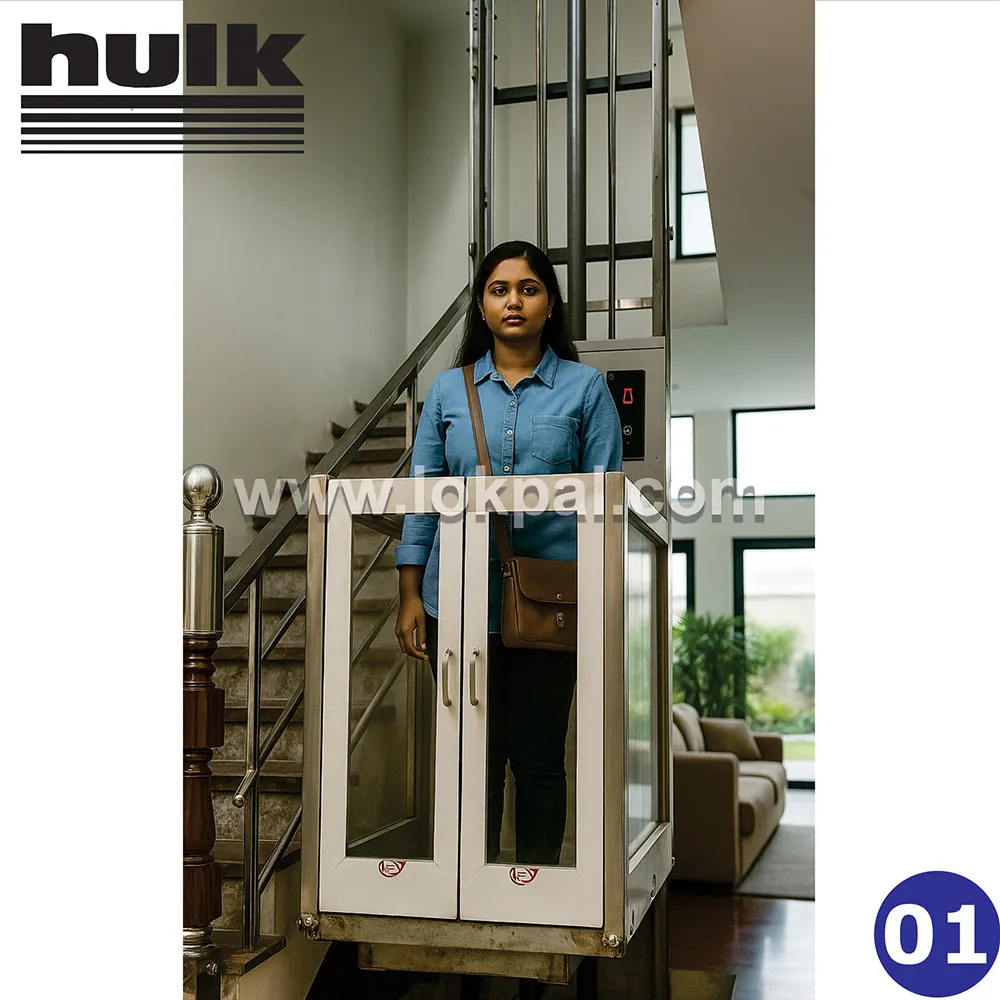
The designs emphasize minimal structural intrusion, allowing installation directly on existing floors with support covers for stability and aesthetic integration. Variants include half-cabin models with open tops for better visibility and ventilation, and full-cabin versions with transparent glass walls and half or full doors fixed to the wall, offering a sleek, contemporary look suitable for residential interiors.
A safety edge sensor under the platform halts descent instantly upon detecting obstacles, ensuring user protection. Support covers (front/rear) provide structural stability and a polished finish, blending effortlessly with modern interiors—be it minimalist, industrial, or luxury designs.
| Model | Indoor Lifts Without Structure M1 |
|---|---|
| Installation Type | Free-standing, No Pit, No Shaft, No Machine Room |
| Cabin Options | Half Cabin, Full Cabin |
| Mounting | Wall-mounted or Standalone |
| Platform | Customizable for Tight Spaces |
| Floor Requirement | Cut-Open Floor Allowed |
| Safety | Safety Edge Below Platform |
| Support | Support Cover (Front/Rear), Ensures Stability |
| Door Options | Half Door, Full Door (Fixed to Wall) |
| Use Case | Indoor Residential, Accessibility for Elderly/Mobility-Challenged |
| Design Style | Modern, Glass-Enclosed, Transparent |
In terms of functionality, the elevator seems to cater to basic transportation needs, potentially offering convenience for elderly individuals or those with mobility challenges. The absence of visible control panels or additional features suggests a minimalist design, though it likely includes standard safety mechanisms like locks or sensors. The exact technical specifications—such as speed, weight capacity, or power consumption—cannot be determined from the image alone and would depend on the manufacturer’s design. For more detailed insights, information about the specific model or brand would be required. If you have further questions or wish to analyze the image further (e.g., editing or additional details), feel free to let me know!